03
Nov
Albert Hofmann’s discovery of LSD helped shape modern psychedelic science. Learn how his work connects to psilocybin mushrooms, current research, and responsible education.
A psychedelics blog is more than a news feed. It is a place where curious readers, students, and wellness-focused adults can follow the science of psilocybin, LSD, and similar compounds without hype or misinformation. Interest in these substances has grown quickly in the United States, driven by clinical trials, state-level policy changes, and a broader cultural conversation about mental health. This guide explains what a strong psychedelics blog covers, how to read it critically, and where to start. You can also explore our educational mushroom resources for related reading.
Most well-run blogs in this space organize content around a few core themes. Understanding those themes helps readers find what they need and judge whether a source is reliable.
Good coverage explains how a compound works in plain language. Psilocybin, for example, is a prodrug that the body converts into psilocin, which then interacts with serotonin receptors. A useful article names the compound, describes the mechanism, and clarifies what remains unknown.
Peer-reviewed studies on psilocybin for depression, anxiety, and end-of-life distress are frequently summarized. Reliable writers cite the journal, the sample size, and the study’s limitations rather than presenting early findings as proven cures. The National Institute on Drug Abuse and PubMed remain dependable starting points for primary research.
Psychedelic law in the United States varies widely by state and city. A trustworthy blog tracks these changes carefully and avoids implying that federal legality has shifted when it has not. Harm reduction articles focus on set, setting, screening for contraindications, and knowing when to seek medical help. Readers who want to go deeper can browse our guides on safe, informed exploration.
Not every article deserves your attention. Quality sources share several traits.
Vague citations, miracle-cure language, and pressure to buy anything are warning signs. Be cautious when a page mixes education with aggressive sales copy, or when it presents anecdotal experiences as clinical proof. Health information should inform, not push a purchase.
A short glossary makes the broader psychedelics blog easier to navigate.
The Multidisciplinary Association for Psychedelic Studies publishes additional context on terminology and ongoing trials.
Albert Hofmann’s discovery of LSD helped shape modern psychedelic science. Learn how his work connects to psilocybin mushrooms, current research, and responsible education.
Oregon’s regulated psilocybin services model offers researchers a rare opportunity to study psychedelic care in a real-world setting. Here is how to interpret the emerging evidence responsibly.
Federal attention to psychedelic drug development is increasing. Here is what evolving FDA psychedelic guidance may mean for psilocybin research, clinical safety, therapy, and future access.
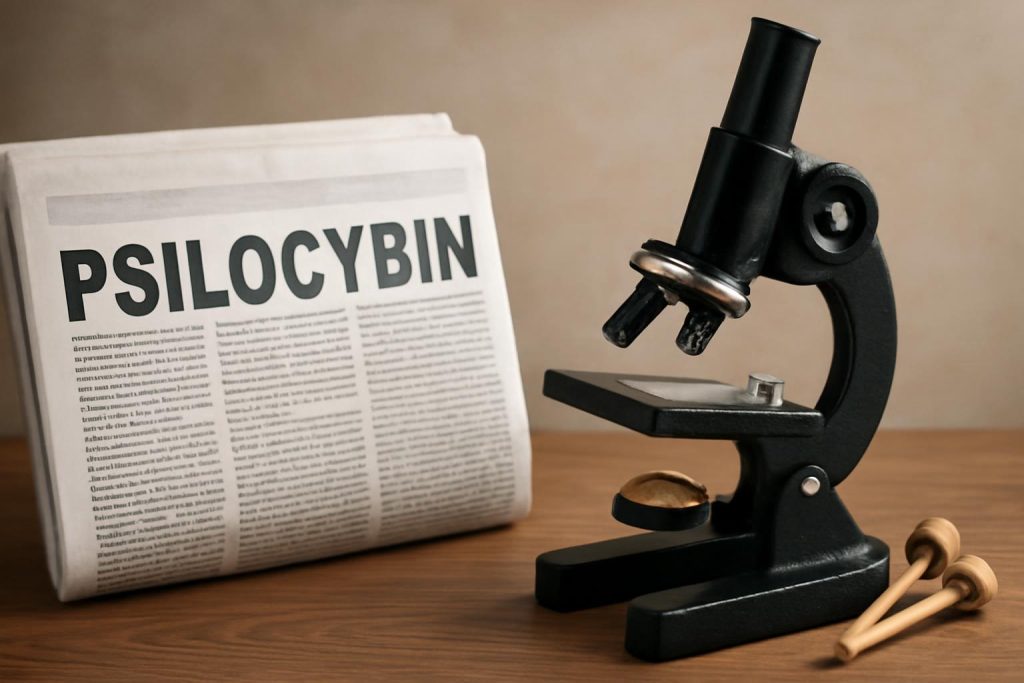
Media coverage of psilocybin often moves faster than the evidence. Learn how to evaluate headlines, understand research limitations, and make safer decisions about magic mushrooms.
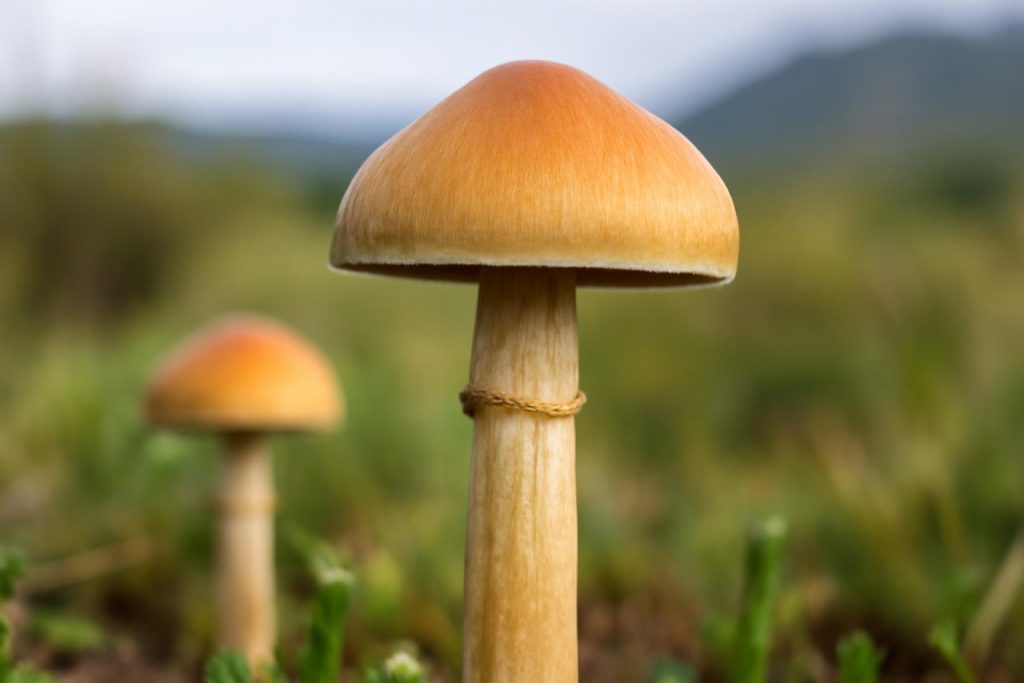
Colorado is developing one of the United States’ most closely watched models for regulated psilocybin access. Here is what visitors should understand about preparation, supervised administration, safety, legal limits, and the difference between a regulated service center and psilocybin therapy research.
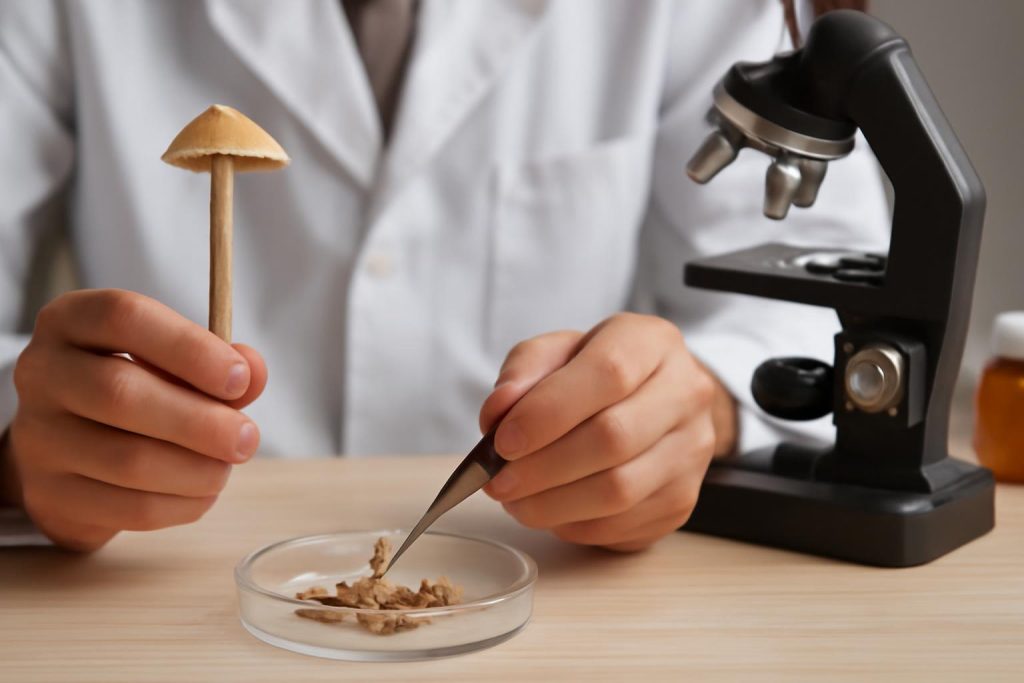
A reported federal push to accelerate psychedelic drug research could reshape the future of psilocybin therapy. Here is what patients, researchers, and magic mushroom users should understand about evidence, safety, regulation, and access.
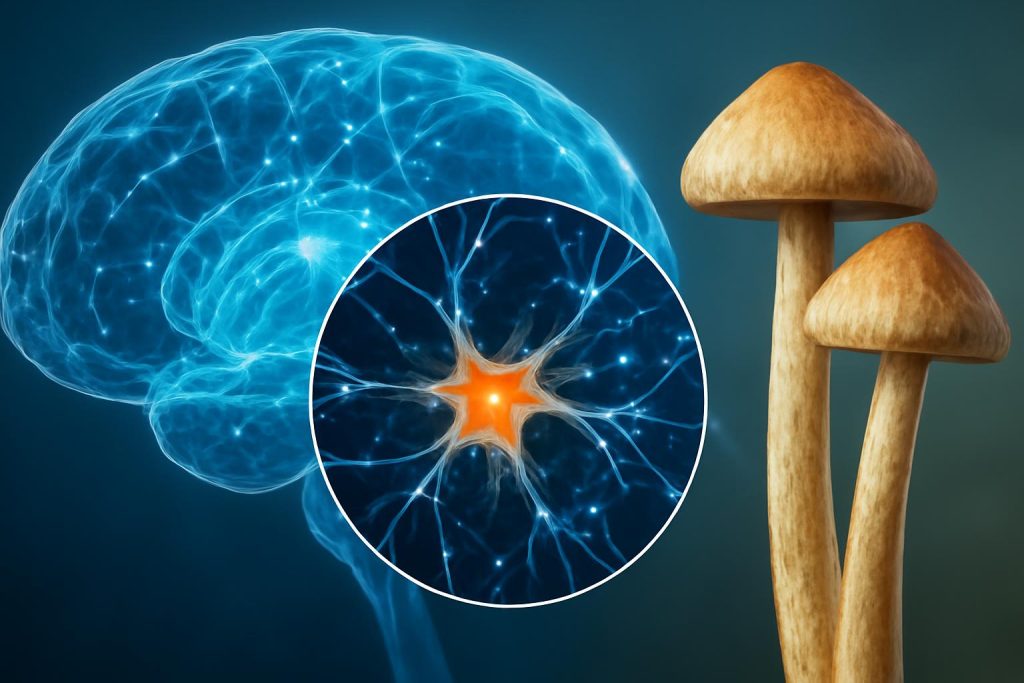
New brain imaging research is helping scientists investigate how psilocybin may alter communication between brain circuits. Here is what the findings suggest—and what they do not prove.

The medicinal mushrooms market is attracting growing attention from consumers, researchers, and wellness companies. Here is what market growth may mean for functional mushrooms, psilocybin research, product quality, and responsible use.
Psilocybin research is moving faster than ever in 2026. From a new USC depression trial to Belgium’s compassionate use program and a surprising fish study, here’s a clear, practical breakdown of what the latest science means for anyone curious about magic mushrooms.
Scientists recently found nearly an eightfold difference in psilocybin content among magic mushrooms. Here is what that variability means for strain selection, dosage, and safer psychedelic use.