Frequently Asked Questions
Healing Mushroom Delivery: Your Complete FAQ Guide for Canada
Healing mushroom delivery in Canada has become a genuine marketplace, not a niche curiosity. Canadians from Vancouver to Halifax can now order lion’s mane, reishi, chaga, cordyceps, and turkey tail products online — but what actually shows up at your door, and how do you know it’s safe, legal, and worth the money? This FAQ answers the questions shoppers ask most often before they click “buy.”
The short version: functional mushroom products are widely available across Canada as food, supplements, or natural health products, depending on how they’re packaged and what claims they make. What varies enormously is the quality, testing, and legality of specific products — especially extracts, powders, and anything marketed with therapeutic language. The answers below cover sourcing, shipping, dosing, safety, and how to spot a seller worth trusting, so you can make a confident decision rather than guessing from a flashy product page.
What Does “Healing Mushroom Delivery” Actually Mean?
The phrase covers a broad category of online sellers who ship mushroom-based wellness products to Canadian addresses. That includes dried whole mushrooms, powdered extracts, tinctures, capsules, gummies, coffee blends, and ready-to-drink functional beverages.
Almost all of what you’ll find marketed this way is functional or culinary mushrooms rather than psychedelic ones. Products containing psilocybin are illegal to sell in Canada outside very narrow, authorized research or exemption contexts. If a storefront implies otherwise, that alone is a serious red flag.
So when we talk about healing mushroom delivery in Canada, we’re really talking about functional fungi: species such as lion’s mane, reishi, chaga, cordyceps, turkey tail, shiitake, and maitake, sold for everyday wellness use rather than as pharmaceuticals.
Which Mushrooms Are Commonly Sold for Delivery in Canada?
Canadian retailers typically stock a familiar handful of species, each with its own traditional and modern reputation. Knowing the common ones helps you read a product page critically.
- Lion’s mane (Hericium erinaceus) — often marketed for focus, memory, and nerve support; sold most often as a powder or capsule.
- Reishi (Ganoderma lucidum) — a bitter, woody mushroom traditionally used for calm and immune support; usually sold as an extract or tincture.
- Chaga (Inonotus obliquus) — grows on birch trees in Canadian forests; typically sold as a tea cut, powder, or dual extract and marketed for antioxidant content.
- Cordyceps (Cordyceps militaris) — associated with energy and physical performance; widely sold in capsule form.
- Turkey tail (Trametes versicolor) — studied for immune-related compounds called polysaccharides; commonly sold as a powder or extract.
- Shiitake and maitake — culinary mushrooms with functional marketing attached; often sold fresh, dried, or as powders.
Most Canadian sellers source from domestic growers, or import from suppliers in the United States, China, or Europe. Origin matters, because it influences both testing standards and price.
Is Healing Mushroom Delivery Legal in Canada?
For functional and culinary mushrooms, yes — selling and shipping them as food or natural health products is legal, provided the seller follows federal rules. Two frameworks matter most.
Food rules. If a product is sold as food — say, a culinary mushroom powder or a mushroom coffee blend — it falls under the Safe Food for Canadians Act and related regulations, administered by the Canadian Food Inspection Agency. Food sold in Canada must be safe, labelled truthfully, and handled under sanitary conditions.
Natural health product rules. If a product makes health claims, carries a dose, or is sold in a therapeutic format such as a capsule or tincture, it usually needs a Natural Product Number (NPN) or Drug Identification Number (DIN) from Health Canada before it can legally be sold. A legitimate Canadian seller can point to that number.
What’s not legal: psilocybin-containing mushrooms sold to consumers, and any product making unsupported disease-treatment claims. If a seller promises to “cure” a condition, treat that as a warning, not a selling point.
How Do You Choose a Trustworthy Mushroom Delivery Seller?
Quality varies wildly in this market, and the difference between a good product and a bad one is rarely visible in the packaging. A few checks separate serious sellers from opportunists.
Look for third-party testing
Reputable sellers publish certificates of analysis (COAs) from independent labs. These typically report on heavy metals, microbial contamination, and pesticide residue. A confirmed absence of a COA doesn’t prove a product is unsafe, but a seller that can’t or won’t share one is a gamble you don’t need to take.
Check the extraction and the part used
The mushroom’s fruiting body is the part most people want. Some cheap powders are made from mycelium grown on grain, which dilutes the active compounds with starch. Look for clear labels: “100% fruiting body,” “dual extract,” or a stated beta-glucan percentage. Vague language like “mushroom complex” tells you very little.
Verify the NPN where claims are made
If the product makes health claims, check that it carries an NPN. You can search Health Canada’s Licensed Natural Health Products Database directly to confirm a product’s status.
Read the shipping and return policy before ordering
Canadian buyers should expect clear delivery timelines, tracking, and a stated return process. Cross-border orders can add customs delays and duties, so domestic shipping is often simpler.
How Does Shipping Work Across Canada?
Most Canadian sellers ship via Canada Post, Purolator, UPS, or FedEx, with domestic delivery typically landing in a few business days depending on the province. Remote and northern addresses almost always take longer.
A few practical points worth knowing before you check out:
- Free shipping thresholds are common, often somewhere between $50 and $100, but the exact figure varies by seller.
- Cross-border orders may incur customs handling fees and duties, and delivery windows stretch accordingly. Some border services also add inspection delays.
- Perishable items, such as fresh mushrooms, generally can’t be shipped long distances without cold-chain handling. Dried powders, capsules, and tinctures travel far more reliably.
- Extreme weather can affect heat-sensitive products like some liquid extracts in summer or winter.
If you’re ordering for a specific date, build in a buffer. Delivery estimates are estimates, not guarantees.
How Should You Take Delivered Mushroom Products?
Dosing depends entirely on the product, the species, and the format, and there is no single universal dose. The safest rule is simple: follow the label on the product you actually bought.
General patterns by format
- Powders are usually stirred into coffee, tea, smoothies, or soup. Starting with a small serving and increasing gradually is the common approach.
- Capsules carry a fixed dose per serving, which makes consistency easier.
- Tinctures are typically taken in drops under the tongue or added to a drink.
- Teas and coffee blends are the gentlest entry point, though the mushroom content is often modest.
Timing and consistency
Many people take reishi in the evening and lion’s mane or cordyceps earlier in the day, though this is preference rather than a firm rule. Consistency over weeks tends to matter more than any single large dose.
What not to do
Don’t stack multiple mushroom supplements without tracking what you’re taking. Don’t exceed label guidance. And don’t treat any of these products as a replacement for prescribed medication or medical care.
Are There Side Effects or Interactions to Watch For?
Functional mushrooms are generally well tolerated by healthy adults at typical food and supplement amounts, but “generally well tolerated” is not the same as “risk-free for everyone.”
Potential issues to discuss with a healthcare provider include:
- Medication interactions. Mushroom extracts can interact with blood thinners, immunosuppressants, diabetes medications, and some others. If you take prescription medication, this conversation is worth having first.
- Allergies. Anyone allergic to mushrooms or moulds should be cautious.
- Digestive upset. Some people experience mild stomach discomfort when starting a new powder or extract.
- Pregnancy and breastfeeding. Many products lack good safety data for these groups, and labels often advise against use.
- Autoimmune conditions. Immune-modulating products deserve extra caution and professional guidance.
Canada’s health system offers reliable general guidance through Health Canada, and your pharmacist can flag interactions quickly and free of charge.
How Can You Tell Genuine Products From Marketing Hype?
The functional mushroom space is full of confident promises. Learning to separate evidence from enthusiasm protects both your health and your wallet.
Be skeptical of disease claims. A legal Canadian product cannot claim to treat, cure, or prevent disease. Sellers that do are either non-compliant or not Canadian-licensed.
Treat “adaptogen” as a category label, not proof. Adaptogens are a classification, not a guarantee of effect. It tells you how a product is positioned, not what it will do for you.
Watch for absurd potency claims. Phrases like “10,000 mg equivalent” often describe raw material before extraction, not what’s in the final capsule.
Prefer plain language labels. Species name, part used, extraction method, beta-glucan content, and a licence number beat dramatic testimonials every time.
If you want to understand the broader evidence picture for a specific species, peer-reviewed sources and university health libraries are far more reliable than seller blogs.
Frequently Asked Questions About Healing Mushroom Delivery
Can I legally order mushroom supplements to my home in Canada?
Yes, provided the products are legal functional or culinary mushrooms and the seller complies with Canadian food or natural health product rules. Licensed products making health claims should carry an NPN or DIN. Psilocybin products remain illegal for consumer sale.
How long does delivery usually take within Canada?
Most domestic orders arrive within a few business days, though timelines vary by seller, shipping method, and province. Remote and northern destinations take longer. Cross-border orders add customs processing time.
Are mushroom gummies as effective as powders or capsules?
It depends on the formulation. Gummies often contain less mushroom material and add sugars or binders. Read the label for species, part used, and actual extract content rather than assuming equivalence.
What’s the difference between mycelium and fruiting body?
Fruiting body is the mushroom itself. Mycelium is the root-like network, often grown on grain, which can add starch and dilute active compounds. Many buyers prefer products labelled as 100% fruiting body.
Do these products interact with medications?
They can. Blood thinners, immunosuppressants, and diabetes medications are among the categories worth discussing with a pharmacist or physician before you start. Never stop prescribed medication in favour of a supplement.
How should I store delivered mushroom products?
Keep powders and capsules cool, dry, and away from direct sunlight. Tinctures generally last longest in a dark cupboard. Follow the expiry date on the package and discard anything that smells or looks off.
What should I do if my delivery arrives damaged or late?
Contact the seller first, using their stated support channel. Most reputable Canadian sellers have a returns or replacement policy, and tracking numbers make disputes easier to resolve. For consumer protection questions, the Competition Bureau of Canada publishes guidance on your rights.
Making a Confident Choice
Healing mushroom delivery in Canada is a legitimate, growing market with real quality differences between sellers. Do the small amount of homework — confirm testing, check for an NPN where claims are made, verify the part used, and read the shipping terms — and you’ll weed out most of the risk before you order.
Start with one product, take it as labelled, and give it consistent time before judging results. Keep your expectations grounded, talk to a healthcare professional if you take medication, and treat bold claims as a reason to look closer rather than to buy faster. That approach won’t guarantee a miracle, but it will keep you on solid ground.
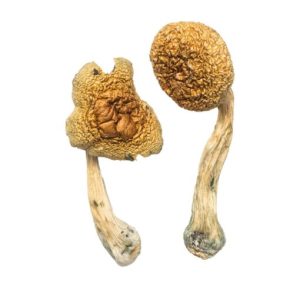
Dried Magic Mushrooms
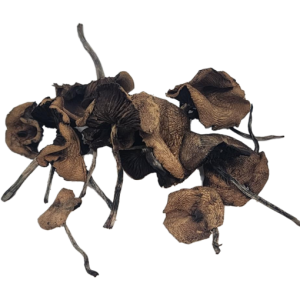
Dried Magic Mushrooms
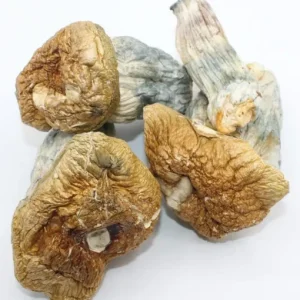
Dried Magic Mushrooms
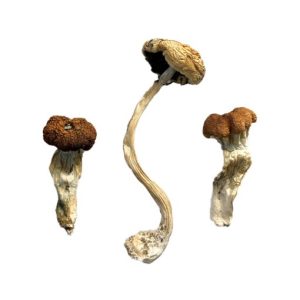
Dried Magic Mushrooms
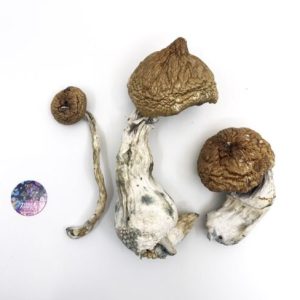
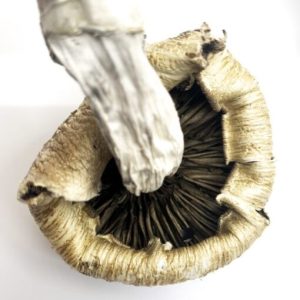
Dried Magic Mushrooms
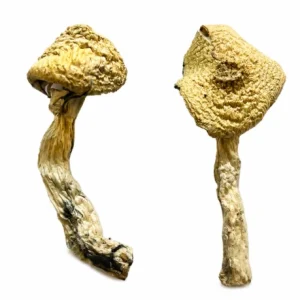
Dried Magic Mushrooms
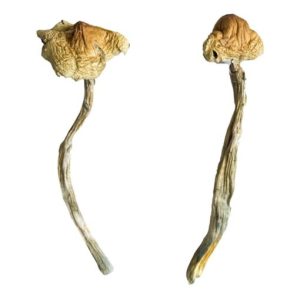
Dried Magic Mushrooms
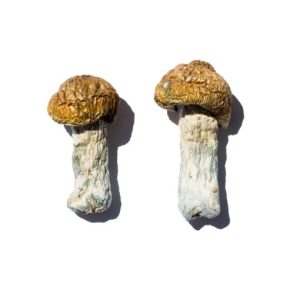
Dried Magic Mushrooms
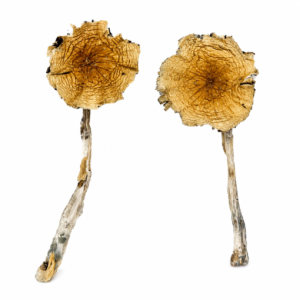
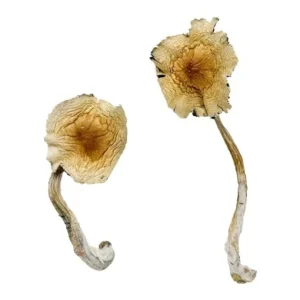
Dried Magic Mushrooms
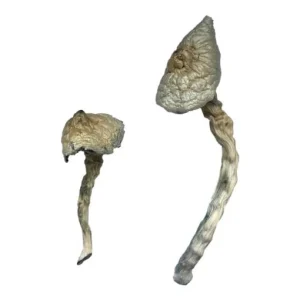
Dried Magic Mushrooms
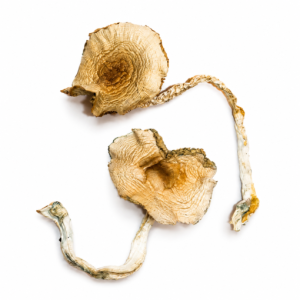
Dried Magic Mushrooms
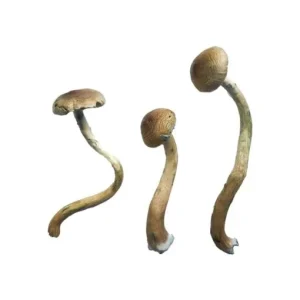
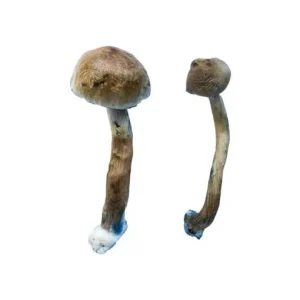
Dried Magic Mushrooms
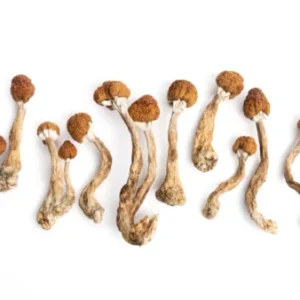
Dried Magic Mushrooms
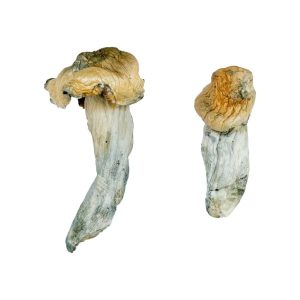
Dried Magic Mushrooms
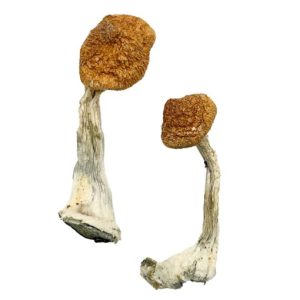
Dried Magic Mushrooms
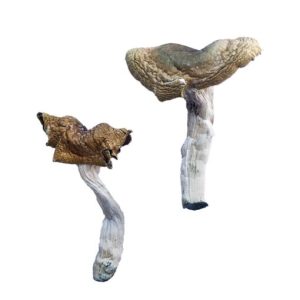
Dried Magic Mushrooms
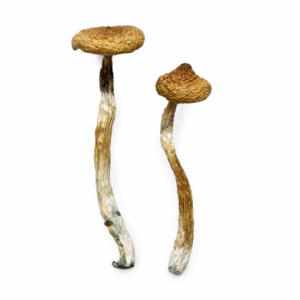
Dried Magic Mushrooms
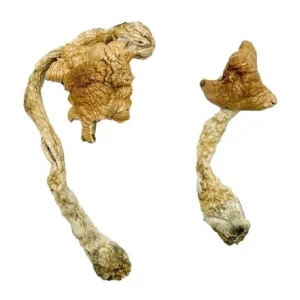
Dried Magic Mushrooms
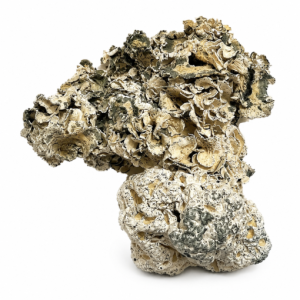
Dried Magic Mushrooms
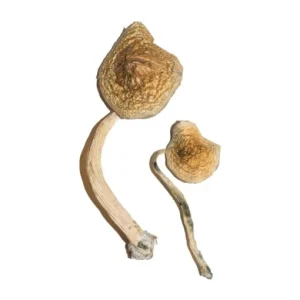
Dried Magic Mushrooms